Decide what the person will own, write the job ad, publish it, compare every candidate against the same criteria, send the offer, then register as an employer before the first day. Join runs the hiring half in one pipeline, so a founder without an HR team can follow each step. Start with a 14-day Advanced trial; Standard costs €20 per active job each month after that.
A real hiring process for one open job. No recruitment team required.
14 days
Advanced trial with no credit card
Up to 5
active jobs during the trial
10+
organic boards in the distribution network
€20
per active job each month on Standard after the trial
FIRST-HIRE WORKFLOW
How to hire your first employee in five steps
Start with the work the business needs. Add software only where it removes manual work or makes the decision more consistent.
1
Define the outcome
Write down what this person should own and what good work should look like after the first 90 days. Use that outcome to decide which skills are essential.
2
Draft the job ad
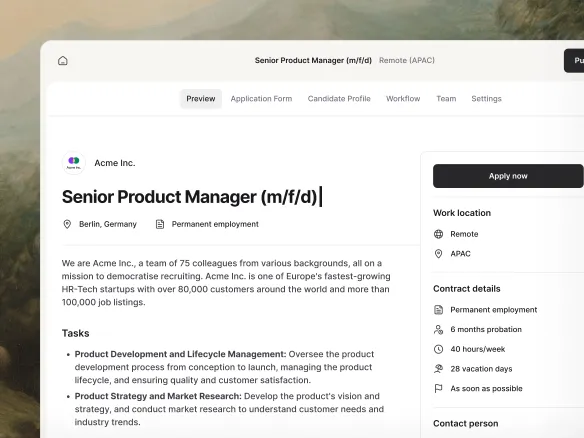
Turn the outcome into clear responsibilities, requirements, working terms, and a realistic reason to join. Join's AI can prepare a first draft for you to edit.
3
Choose the channels
Publish through the organic boards available for the job. Add a paid placement only when the profile is scarce, the deadline is short, or the organic response is weak.
4
Review against one standard
Use the same screening questions and scorecard for every candidate. Record evidence from the CV and interviews instead of relying on memory.
5
Decide and close
Keep interview notes, messages, and the final decision on the candidate profile. Then prepare the contract, payroll, insurance, and other employer obligations required in your country.
01 · FIND CANDIDATES
Publish once. Check where it is live.
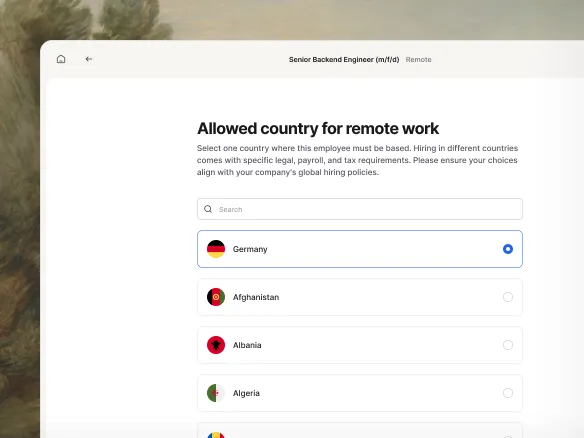
Create the job ad in Join and publish it once. Join distributes it to the compatible organic boards available for that job from a network of more than 10. If you need more reach, you can add a regional or specialist paid board from a catalogue of more than 250. The job view shows each board's publication status and the source of every application.
Organic distribution based on the job, market, plan, and board rules
Paid reach added only when the first response is not strong enough
02 · MAKE THE DECISION
Give every candidate the same process.
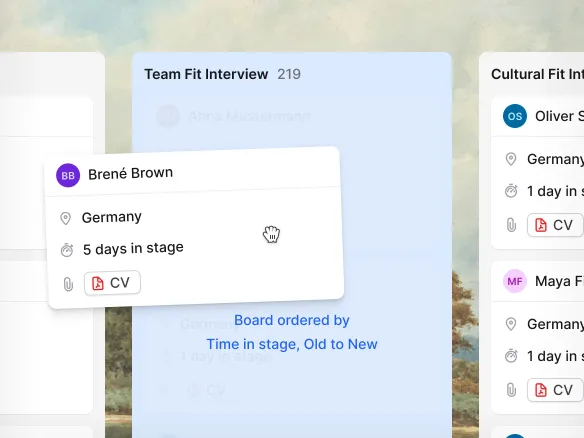
Applications arrive in one hiring pipeline with their source attached. Screening questions remove clear mismatches. A scorecard keeps the interview focused on the evidence needed for this job, while shared notes show how the decision was made. Candidate messages and interview scheduling stay on the same record.
One pipeline for applications from every source
Screening questions tied to the job requirements
A shared scorecard for consistent interviews
Messages, notes, and decisions on the candidate profile
03 · BEFORE DAY ONE
Send the offer, then set up as an employer.
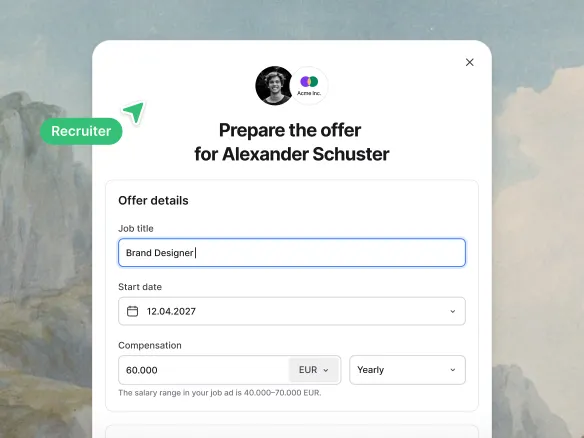
Join takes you as far as the answer to your offer: write it on the candidate profile, and the candidate accepts or declines from the email, with the response logged on the record. Employer registration, payroll, and insurance happen outside any recruiting tool. In the UK, the GOV.UK first-employer checklist runs from checking employment status and costs, through making the workplace safe, to registering with HMRC for PAYE, setting up a workplace pension, and taking out Employers' Liability insurance. Across the EU, Your Europe covers contracts, social security, and health and safety, with procedures that differ by country.
Offer sent and answered from the candidate profile
Contract, payroll, and insurance set up with your accountant, HMRC, or your national social security office
What customers say about Join.Recruiters and hiring managers who use it.
“There was nothing to onboard into. I just started using it”
Cengizhan AkanRecruiter, Trigon Gruppe GmbHRead the story
“We gave Join a chance and never looked back”
Gianluca SordanoCo-founder and CEO, Always FridayRead the story
“I saw that it actually worked pretty well, and said: let's use Join. It just makes more sense.”
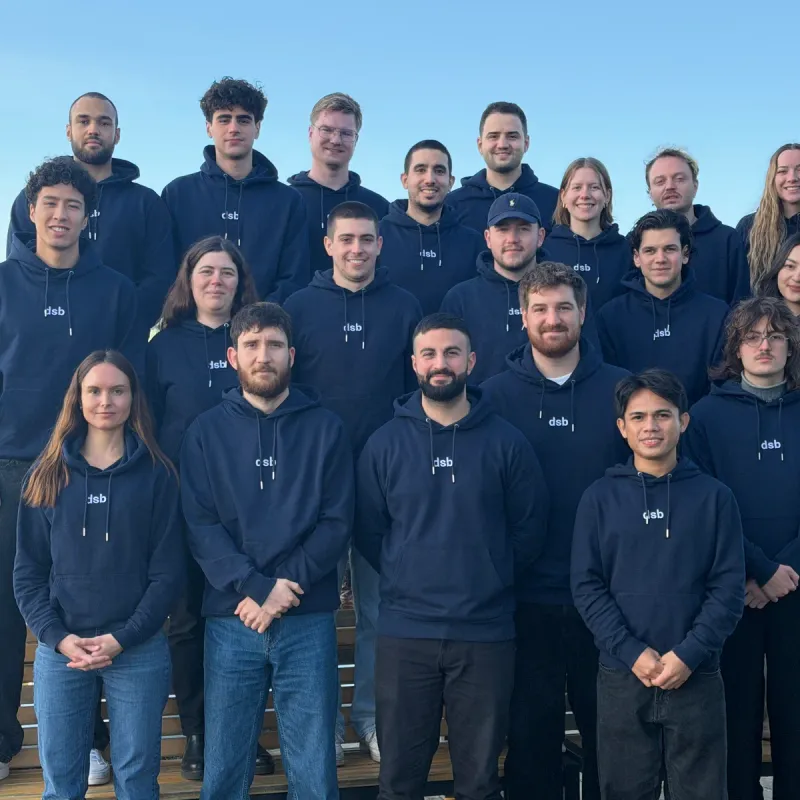
Dana MoroujHR Lead, dsb Deutsche Sanierungsberatung GmbHRead the story
Questions about making your first hire
What is first-hire software?
First-hire software helps a founder or small-business owner run the recruitment process without a dedicated recruitment team. It should cover the practical work: drafting and publishing the job ad, collecting applications, screening candidates, scheduling interviews, recording feedback, and keeping candidate communication together.
Which role should I hire first?
Hire for the clearest constraint in the business. Define the work that repeatedly takes founder time, requires consistent ownership, and will still matter after the immediate backlog is gone. A job title comes after that decision. If the work is temporary or poorly defined, a contractor or a narrower project may be the better first step.
What should a first job ad include?
State what the person will own, the outcomes expected, the essential skills, the working arrangement, location, salary information where required, and how the selection process works. Separate genuine requirements from preferences. A shorter list of defensible requirements gives suitable candidates a clearer reason to apply.
Where should I publish my first job ad?
Start with the organic boards available for the job and your own careers page. Join distributes to compatible organic boards from a network of more than 10. Add a specialist or regional paid board when the profile is difficult to find, the hire is urgent, or organic channels produce too few suitable applications.
Do I need an ATS for one hire?
You do not need a large HR system for one hire. A lightweight applicant tracking system becomes useful as soon as applications arrive from several sources or another person joins the decision. It gives you one pipeline, one candidate record, and one place for interview feedback instead of splitting the process across email and a spreadsheet.
How should I compare candidates fairly?
Choose the criteria before reviewing applications. Ask the same core interview questions, score the same evidence, and record notes against the job requirements. This makes the trade-offs visible and gives everyone involved a shared basis for the decision.
How much does Join cost for a first hire?
The Advanced trial lasts 14 days, includes up to five active jobs, requires no credit card, and ends automatically. After the trial, Standard starts at €20 per active job each month. Organic distribution is included; paid board placements cost extra. See the pricing page for the current plan comparison.
How do I hire employees for a small business without an HR team?
Keep the process short and written down. Name one person who owns the vacancy and makes the final call, set a closing date and a target start date before the ad goes live, and put every message and piece of feedback on the candidate record rather than in chat or a personal inbox.
What employer setup is required before the first employee starts?
It depends on the country and on the person's employment status, so check with your accountant or the national authority before the start date. UK employers can follow the GOV.UK first-employer checklist; Your Europe covers the EU. Recruitment software does not replace any of those steps.
Can Join support the next hires too?
Yes. The same account can hold multiple jobs, custom pipeline stages, scorecards, automations, a talent pool, and unlimited team members. You can keep the first-hire workflow small and add more structure when the hiring volume increases.
Start today
Start your 14-day free trial and make hiring your advantage.